Chancey Williams Warns Fans About Fake Love Messages
Scammers are everywhere today. They're calling and texting you, sending bogus emails, and using social media as their amusement park. Everyone has a favorite singer, band, actor, athlete, or celebrity, and it would make your day if that person interacted with you.
To get a message, comment, or even a like from your favorite is a big deal for most people. When MySpace, Facebook, Instagram, and other sites first came out, you might have actually gotten some interaction, but thanks to scammers, a huge threat lurks on those sites.
I'm not saying that you're not going to get a like or a comment response, but you're NOT going to get a lovey-dovey message in your DMs. They won't ask for money, and they're not in love with you, no matter what that message says.
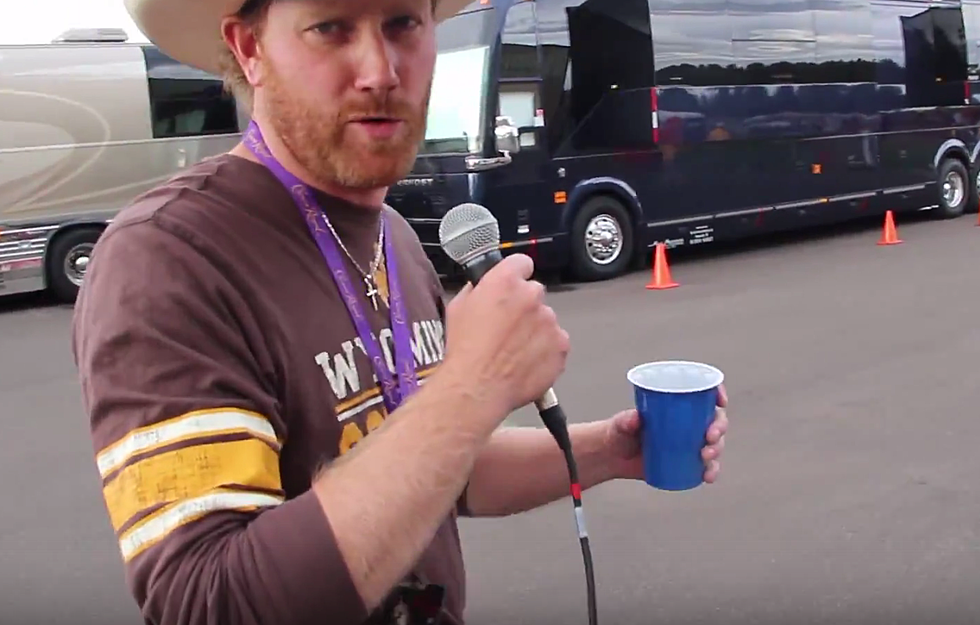
Wyoming's Chancey Williams and his team have again had to address this situation, which you'll see them do from time to time, because the internet is a horrible place.
In a social media post, Chancey says:
Apparently, I've got a whole lot of 'girlfriends' I didn't know about.
If you get a message that goes something like this:
"Hello [Name], I saw your sweet comment on my recent post and it really touched my heart. I don’t usually do this because of management, and I have millions of followers, but I like to personally reach out to a few of my most loyal and genuine fans to say thank you. How are you doing today?"
This is a scammer trying to lure you in, gain your trust, and take advantage of you. What seems like a nice message from your favorite celebrity could end up costing you hundreds of thousands of dollars and causing you a world of hurt.
If you get a message like this, slow down, use common sense, and think it through. Here are a few tips from the Federal Trade Commission about what to do in a possible scammer situation.
- Slow down. Before you send money, talk with someone you trust.
- Do some research: search online for the celebrity’s name plus “scam.” Do the same with any charity or cause they’re asking you to support—and learn more about charity scams here.
- Never send money, gift cards or prepaid debit cards to someone you don’t know or haven’t met – even celebrities you meet on social media.
- If you sent money to a scammer, contact the company you used to send the money (your bank, wire transfer service, gift card company, or prepaid debit card company). Tell them the transaction was a fraud. Ask the company to reverse the transaction, if it’s possible.
- Report your experience to the social media site and to the FTC.
A little research, common sense, and judgment can save you in a scammer situation. If you want to learn more about how to spot a scam like this, check out the FTC's page. The site has many scenarios and ideas for what to do to avoid them.
Signs You're Getting Involved In A Romantic Scam... And What You Can Do About It
Gallery Credit: Chris
The Better Business Bureau's '12 Scams of Christmas'
Gallery Credit: Kaylin